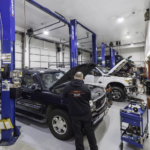

Failing a Maryland state inspection can feel frustrating, but don’t worry—it’s not the end of the road. The inspection process is designed to keep drivers safe and ensure vehicles meet the state’s minimum safety standards. At Ken’s Automotive & Transmissions, we help drivers every day who have failed their inspection get their vehicles back in compliance and on the road quickly.

Here’s what you need to know about what happens next if your car fails its Maryland state inspection.
Why Vehicles Fail Inspection
A Maryland state inspection covers more than 70 components of your vehicle, including:
- Brakes and steering
- Suspension and tires
- Lights, mirrors, and wipers
- Exhaust system
- Seat belts and safety equipment
Common reasons for failure include worn brake pads, bald tires, cracked windshields, broken lights, or issues with your emissions system. Some problems are simple and inexpensive to fix, while others may require more significant repairs.
Step 1: Review Your Inspection Report
When your vehicle fails inspection, you’ll receive a report listing the exact issues that caused it to fail. This is your roadmap to compliance. Review the report carefully so you know what needs to be addressed.
At Ken’s Automotive & Transmissions, we can walk you through your report, explain the findings in plain language, and help you prioritize the repairs.
Step 2: Get the Required Repairs
You have 30 days from the date of the original inspection or 1,000 miles driven (whichever comes first) to have the necessary repairs completed and your vehicle re-inspected. If you exceed either limit, you’ll need to pay for a new inspection.
You can choose to have repairs done at the inspection station or at another repair shop, but working with the same facility often makes the process faster and easier. Our team can complete most repairs in-house and get your vehicle retested quickly.
Step 3: Get Re-Inspected
Once repairs are complete, your vehicle will need to be re-inspected to confirm it now meets Maryland safety standards. If you return to the same inspection station within the 30-day or 1,000-mile window, they will only check the items that failed the first time.
This means you won’t have to go through a full inspection again—just the failed components will be reviewed.
Step 4: Receive Your Certificate
If your vehicle passes the re-inspection, the station will issue a Maryland Safety Inspection Certificate. This certificate is valid for 90 days and allows you to register the vehicle with the Maryland Motor Vehicle Administration (MVA).
Tips to Avoid Future Failures
While some inspection failures are unavoidable, regular maintenance can significantly reduce the risk of surprises. Consider:
- Scheduling routine brake, tire, and suspension inspections
- Replacing worn wiper blades and light bulbs promptly
- Staying on top of oil changes and fluid checks
- Having your vehicle inspected by a trusted mechanic before buying or selling
We’re Here to Help
Failing a Maryland inspection isn’t the end of the world—especially when you have a trusted repair shop on your side. At Ken’s Automotive & Transmissions, we provide clear explanations, fair pricing, and fast repairs to get you back on the road.
Schedule your appointment today and let us handle the repairs and re-inspection process so you can drive with confidence.