
Winter in Maryland brings more than just snowy landscapes and icy windshields; it brings a unique set of challenges for your vehicle’s most complex component. As the temperatures drop in Frederick and across Carroll County, your transmission has to work significantly harder to perform the same smooth shifts you enjoy in the summer. Whether you are commuting down I-270 or heading out for a weekend in the mountains, understanding how the cold impacts your car is the first step toward avoiding a mid-winter breakdown.
Thickening of Transmission Fluid
The struggle your car feels during a cold morning start is often rooted in fluid dynamics. Thick, cold transmission fluid cannot provide the instant hydraulic pressure required for smooth gear transitions. This leads to delayed shifting and a “heavy” feeling in the drivetrain that can stress sensors and solenoids.
To counteract the effects of extreme cold, focus on temperature management and fluid quality. Idling your vehicle for a few minutes ensures the fluid is thin enough to reach the upper reaches of the gear set. Furthermore, utilizing synthetic fluids provides a permanent layer of protection, as they are formulated to resist thickening better than crude-based alternatives.
Contraction of Rubber Seals and Gaskets
Extreme winter temperatures do more than just slow down your fluids; they physically alter the hardware of your transmission. Rubber and synthetic seals, the vital barriers that keep lubrication in and contaminants out, are highly susceptible to thermal contraction. In freezing weather, these materials lose their flexibility and become brittle. As they shrink, microscopic gaps can form, resulting in “cold leaks.” These leaks often vanish once the car reaches operating temperature and the seals expand, but the resulting drop in fluid levels can lead to silent, long-term damage.
Increased Hard Shifting and Delayed Engagement
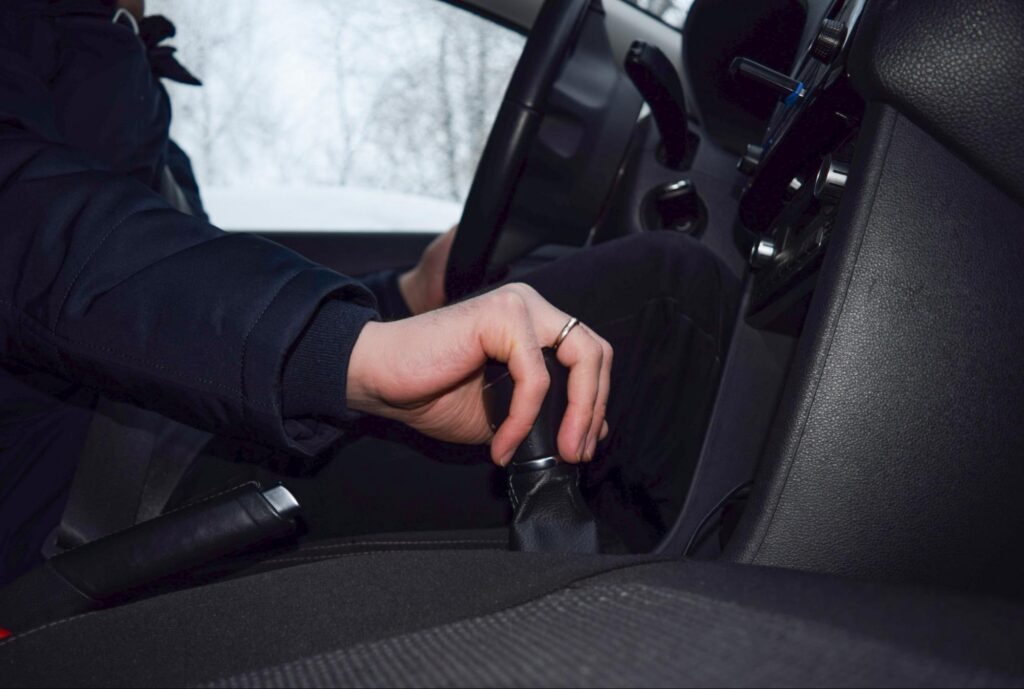
When temperatures drop, your transmission has to work twice as hard to perform basic functions. This extra effort often manifests as delayed engagement, where the car feels like it’s in neutral for a split second before the gear finally “catches.”
Does your vehicle experience a physical “jolt” when shifting during the first mile? Are you hearing grinding noises that seem to fade as the car heats up? Is the transmission failing to stay in gear until you’ve been on the road for at least ten minutes? If any of these are true, your car is struggling with the cold. By allowing for a proper warm-up and avoiding heavy acceleration until the temperature needle moves, you can protect the solenoids and clutches from the friction caused by cold, viscous fluid.
Water Contamination and Freezing Risks
It is a common misconception that water cannot enter a transmission. In reality, humidity and rapid temperature changes are enough to introduce moisture into the case. Once that moisture is inside, winter turns it into a destructive force. Ice crystals can jam solenoids and block the fluid pick-up screen, leading to a transmission that simply won’t engage.
To keep your vehicle running smoothly, focus on prevention. Reducing extreme temperature swings by using a garage is your first line of defense. Additionally, keeping the system’s breather vent clear ensures that any internal vapors can escape before they turn into liquid water. Finally, if you haven’t had your fluid inspected in over a year, a professional transmission flush is a smart investment. It removes any existing moisture and replaces it with fresh, high-performance fluid that won’t freeze when you need it most.
Stress on Electronic Sensors and Solenoids
Modern transmissions have evolved into highly sophisticated systems that rely on a delicate network of electronic sensors and solenoids. These components act as the “nervous system” of your vehicle, sending real-time data to the onboard computer to dictate precise shifting points. However, extreme cold can interfere with these electrical signals, causing resistance in the wiring or sluggishness in the solenoids. This often results in erratic shifting patterns or, in severe cases, triggers “limp mode” , a fail-safe setting where the car restricts itself to a single gear to prevent catastrophic internal damage.
Protecting Your Investment in Every Frost
Whether you are dealing with erratic shifting or just want a pre-season fluid check, Ken’s Automotive & Transmissions’ ASE-certified technicians are ready to assist. We offer a level of specialized care that generic shops simply cannot match, focusing on the specific needs of Maryland drivers. From our high-tech digital inspections to our “quality over quantity” service model, we ensure your car is ready for the road ahead. If you’re ready to protect your transmission, contact us now to schedule your appointment.