
January is one of the toughest months of the year for your vehicle, especially in Maryland, where freezing temperatures, road salt, snow, and slush are all part of daily driving. Even if your car handled December just fine, January brings ongoing cold stress that can quickly wear down essential systems.
At Ken’s Automotive & Transmissions, we see a surge in winter-related vehicle issues every January. The good news? Many of these problems are preventable with the right maintenance at the right time.
Here are the top winter car maintenance tasks every Maryland driver should take care of in January to stay safe, avoid breakdowns, and protect their vehicle for the rest of winter.
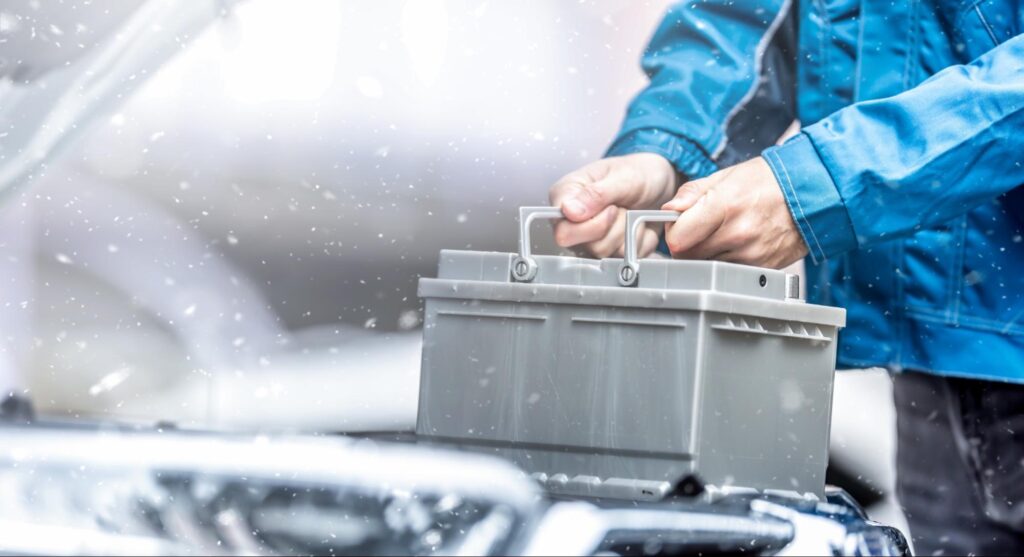
1. Test Your Battery
Cold weather dramatically reduces battery power. By January, batteries that were already weakening may finally fail, often without warning.
If your engine cranks slowly, your dashboard lights dim, or your car struggles to start in the morning, your battery may be nearing the end of its life.
What to do:
- Have your battery tested for voltage and cold cranking amps.
- Clean corrosion from battery terminals.
- Replace batteries over three years old if they test weak.
2. Check Tire Pressure and Tread
For every 10-degree drop in temperature, tire pressure decreases by about 1 PSI. Underinflated tires reduce traction, increase stopping distance, and wear unevenly, making winter driving more dangerous.
January is also when worn tread becomes especially noticeable on icy or snow-covered roads.
What to do:
- Check tire pressure at least once a month.
- Inflate tires to the manufacturer’s recommended PSI.
- Inspect tread depth and replace tires that are too worn.
- Consider winter or all-weather tires if you drive frequently in snow.
Proper tires improve handling, fuel efficiency, and safety throughout winter.
3. Inspect Brakes for Winter Wear
Salt, slush, and moisture accelerate brake wear and corrosion. By January, brake components may already be suffering from early winter exposure.
Warning signs include:
- Squealing or grinding noises
- Vibration while braking
- Longer stopping distances
- Brake pedal feeling soft or spongy
What to do:
Have your brakes inspected mid-winter to catch wear early. Ken’s technicians check pads, rotors, calipers, and brake fluid to ensure safe stopping power when roads are slick.
4. Test Your Heating and Defrost System
A working heater isn’t just about comfort; it’s essential for safety. Your defroster keeps your windshield clear, while your heater ensures you can stay warm if traffic slows or weather worsens.
If you notice weak airflow, foggy windows, or inconsistent heat, it’s time for an inspection.
What to do:
- Test your heater and defroster on all settings.
- Replace cabin air filters if airflow is reduced.
- Have the system checked if heat is inconsistent or slow.
January is no time to ignore heating issues.
5. Check and Top Off Fluids
Cold temperatures affect several vital fluids that keep your vehicle running smoothly. In January, fluid levels and condition matter more than ever.
Have these checked:
- Antifreeze/coolant: Prevents freezing and overheating.
- Engine oil: Thickens in cold weather—fresh oil flows better.
- Transmission fluid: Cold fluid can affect shifting.
- Brake fluid: Moisture contamination reduces performance.
- Windshield washer fluid: Use winter-rated fluid to prevent freezing.
At Ken’s Automotive, we ensure all fluids are properly balanced for winter conditions.
6. Replace Wiper Blades and Check Visibility
Snow, ice, and salt residue take a toll on wiper blades. Streaking or skipping reduces visibility, especially during winter storms.
What to do:
- Replace wipers if they leave streaks or chatter.
- Top off washer fluid with freeze-resistant formula.
- Check headlights, brake lights, and turn signals to ensure they’re working properly.
Clear visibility is one of the simplest ways to stay safe on winter roads.
7. Inspect Belts, Hoses, and Rubber Components
Cold weather causes rubber components to stiffen and crack. By January, worn belts and hoses may begin to fail.
What to do:
- Inspect hoses for cracks, bulges, or leaks.
- Check belts for fraying or glazing.
- Replace any aging rubber components before they break.
Preventive replacement now can help you avoid costly roadside breakdowns.
8. Protect Against Salt and Corrosion
Maryland roads are heavily treated with salt, which can cause rust and corrosion on your vehicle’s undercarriage, exhaust system, and brake lines.
What to do:
- Wash your car regularly, including the underbody.
- Schedule a mid-winter inspection for rust-prone areas.
- Address any exposed metal or corrosion early.
Protecting your vehicle now can significantly extend its lifespan.
Stay Winter-Ready with Ken’s Automotive & Transmissions
January is not the time to put off vehicle maintenance. A proactive approach can help you avoid breakdowns, reduce repair costs, and stay safe throughout the rest of winter.
At Ken’s Automotive & Transmissions, our experienced technicians specialize in winter vehicle inspections, brake service, battery testing, and transmission care for all makes and models. Schedule your January winter maintenance appointment today and drive with confidence through Maryland’s coldest months.