For many Maryland drivers, vehicle inspections don’t become top of mind until a warning light comes on or registration renewal is around the corner. But if you’ve ever had your car fail an inspection during winter, you’re not alone. Cold weather, road conditions, and seasonal wear all contribute to inspection issues—often in ways drivers don’t expect.
At Ken’s Automotive & Transmissions, we see a noticeable increase in inspection-related concerns during the winter months. Understanding why winter creates these problems and what to check ahead of time can save you time, money, and frustration.
Here’s what every Maryland driver should know about winter inspection issues and how to stay ahead of them.
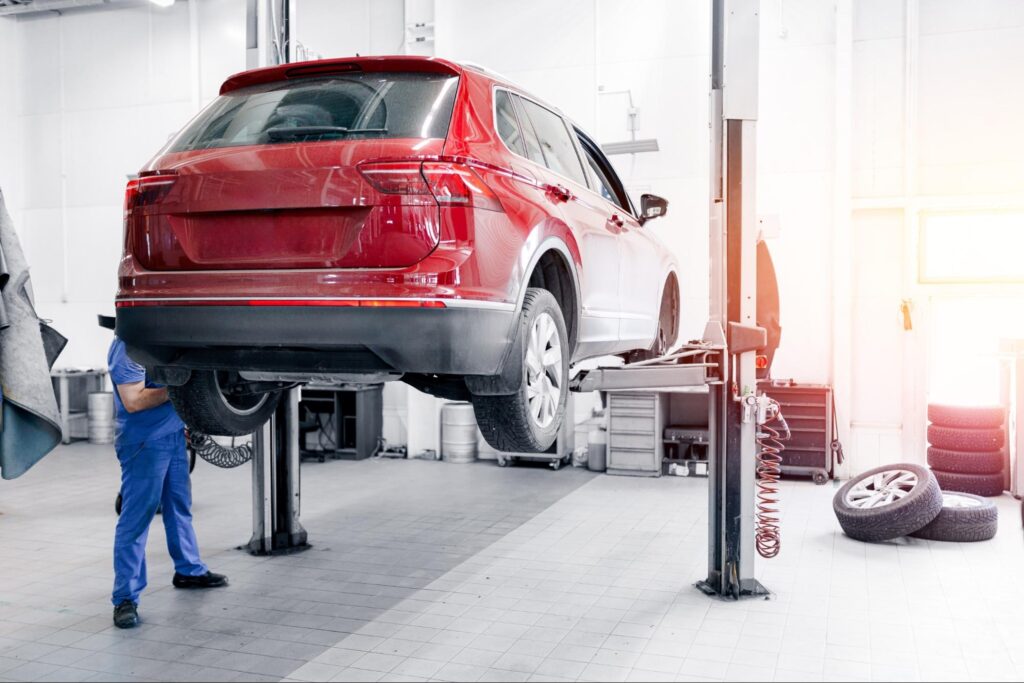
Cold Weather Exposes Worn Components
Cold temperatures cause metal to contract and rubber components to stiffen. Parts that were barely holding on in the fall may fail outright once winter sets in.
Common inspection failures related to cold weather include:
- Cracked or leaking hoses
- Worn belts
- Brittle suspension bushings
- Exhaust system leaks
- Aging battery cables
These issues may not cause immediate breakdowns, but they can trigger inspection failures due to safety or emissions concerns.
Brakes Take a Beating in Winter Conditions
Snow, ice, slush, and salt are especially hard on brake systems. Road salt accelerates corrosion on brake lines, calipers, and rotors, while winter driving increases braking demand.
Common winter brake inspection issues include:
- Rusted brake lines
- Uneven pad wear
- Warped or corroded rotors
- Reduced braking performance
Even if your brakes feel “okay,” corrosion may still cause an inspection failure.
Exhaust and Emissions Issues Are More Noticeable in Cold Weather
Winter is prime time for exhaust system problems. Cold temperatures cause metal exhaust components to contract, making existing cracks or leaks worse.
Inspection failures related to exhaust and emissions often include:
- Rusted or leaking exhaust pipes
- Faulty oxygen sensors
- Catalytic converter issues
- Check engine lights triggered by cold starts
A check engine light, even one caused by a minor sensor issue, can automatically result in an inspection failure.
Suspension and Steering Components Wear Faster in Winter
Potholes become more common in winter as freeze-thaw cycles weaken road surfaces. Hitting a pothole can damage suspension and steering components without obvious symptoms.
Common inspection-related suspension issues include:
- Worn ball joints
- Loose tie rods
- Leaking shocks or struts
- Excessive play in steering components
Even small amounts of looseness can cause an inspection failure due to safety concerns.
Lighting and Visibility Issues Are More Common in Winter
Shorter days mean headlights, brake lights, and turn signals are used more often. Combined with moisture and salt exposure, bulbs and wiring tend to fail more frequently in winter.
Inspection failures often involve:
- Burned-out headlights or taillights
- Dim or flickering lights
- Cracked lenses
- Fogged or hazy headlights reducing visibility
These issues are easy to overlook but can quickly result in an inspection failure.
Tire Condition Matters More Than Ever
Winter driving puts extra stress on tires, and inspections look closely at tread depth and condition.
Common tire-related inspection failures include:
- Worn tread below legal limits
- Uneven wear
- Sidewall damage
- Improper tire pressure
Cold temperatures reduce tire pressure, which can affect wear patterns and handling.
Why Proactive Maintenance Prevents Inspection Headaches
Many winter inspection failures aren’t sudden; they’re the result of small issues that worsen over time. Winter simply exposes what was already wearing out.
A proactive approach includes:
- Seasonal inspections
- Brake and suspension checks
- Exhaust and emissions diagnostics
- Battery and electrical system testing
- Routine maintenance before inspection deadlines
Addressing problems early keeps your vehicle safer and reduces the stress of last-minute inspection repairs.
Stay Inspection-Ready with Ken’s Automotive & Transmissions
Winter may be tough on vehicles, but it doesn’t have to mean surprise inspection failures. Knowing what to watch for and having a trusted shop on your side makes all the difference.
At Ken’s Automotive & Transmissions, we provide comprehensive Maryland state inspections, winter maintenance, and expert repairs to keep your vehicle safe, compliant, and road-ready all year long.
If your inspection is coming up, or you want peace of mind before scheduling, contact us today. We’ll help you address potential issues before they turn into inspection problems.