
Your transmission is one of the hardest-working systems in your vehicle. Whether you drive an automatic or a manual, it’s responsible for transferring power from your engine to your wheels—keeping your car moving smoothly down the road. Because of this, even small transmission issues can quickly turn into major (and expensive) problems if left unaddressed.
Here’s what you need to know about common signs of transmission trouble, how they differ between automatic and manual vehicles, and when it’s time to call in the experts like the ones at Ken’s Automotive & Transmissions.
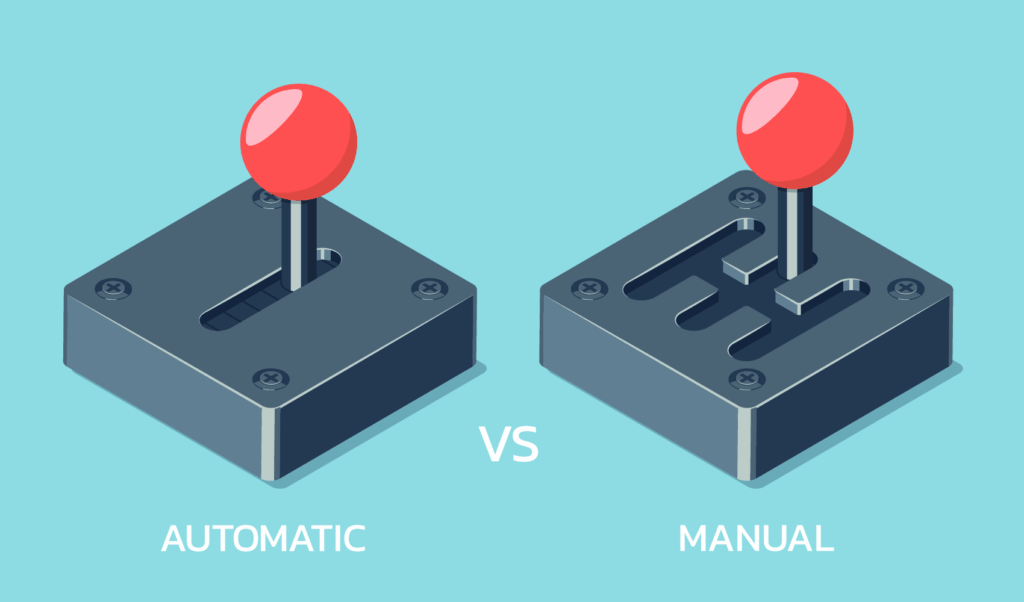
Automatic Transmission Problems
Automatic transmissions are designed for comfort and convenience, seamlessly shifting gears without driver input. But this ease comes from a complex network of sensors, hydraulic systems, and electronic controls—all of which need to work perfectly together.
Common warning signs to watch for include:
- Slipping gears: If your transmission randomly changes gears or struggles to stay in one, you may be dealing with low fluid levels, worn clutch plates, or internal damage.
- Rough or delayed shifting: Feeling a “jerk” or delay when your car changes gears often signals problems with the transmission fluid, solenoids, or torque converter.
- Leaking fluid: Transmission fluid is typically bright red and slightly sweet-smelling. If you notice a reddish puddle under your car, don’t ignore it—a small leak can lead to total transmission failure over time.
- Burning smell or overheating: Overheated transmission fluid smells burnt and can cause severe internal damage. This often happens when fluid hasn’t been changed regularly or when the transmission is working harder than normal.
Because automatic transmissions rely heavily on clean, pressurized fluid, routine maintenance—including fluid flushes and filter replacements—is essential to prevent breakdowns.
Manual Transmission Problems
Manual transmissions are simpler in design, but they rely on driver engagement, which means more wear on certain components like the clutch. The good news? Manual systems are often more affordable to repair when issues are caught early.
Look out for these common manual transmission issues:
- Difficulty shifting gears: Grinding noises, stiff shifting, or popping out of gear can mean your clutch is worn out or your synchronizers need attention.
- Clutch slipping: When your engine revs but your speed doesn’t match, the clutch may not be engaging properly. This is a clear sign that it’s nearing the end of its lifespan.
- Unusual noises: Any rattling, squealing, or growling sound when pressing the clutch pedal can point to problems with the release bearing or pressure plate.
- Leaking or dirty fluid: Manual transmissions also use fluid for lubrication and cooling. Low or contaminated fluid can lead to poor shifting and internal wear.
If you notice any of these issues, it’s best to schedule an inspection right away before more expensive components are affected.
Stay Ahead of Costly Repairs
Transmission problems rarely fix themselves. What starts as a small leak or minor slipping can quickly turn into a full rebuild if ignored. Early diagnosis can save you time, money, and stress—and help extend the life of your vehicle.
At Ken’s Automotive & Transmissions, our ASE-certified technicians are trained to diagnose and repair both automatic and manual transmissions. We use advanced diagnostic tools to get to the root of the issue and always provide honest, transparent recommendations.
Trust Frederick’s Transmission Experts
Whether it’s a quick fluid change or a full transmission rebuild, you can trust Ken’s Automotive & Transmissions for reliable service and expert care. Our goal is to get you back on the road quickly, safely, and confidently.
Located in Frederick, MD
Call (301) 662-5100 or click here to schedule your appointment today.