
Modern vehicles are more complex than ever, packed with advanced driver assistance systems (ADAS), sophisticated software, and electric powertrains that demand far more than traditional mechanical know-how. The auto industry faces a shortfall of roughly 37,000 trained technicians per year, making specialized training and expertise a critical factor when choosing a repair shop. At Ken’s Automotive and Transmission, our technicians are trained for the vehicles on the road today—not the ones from a decade ago.
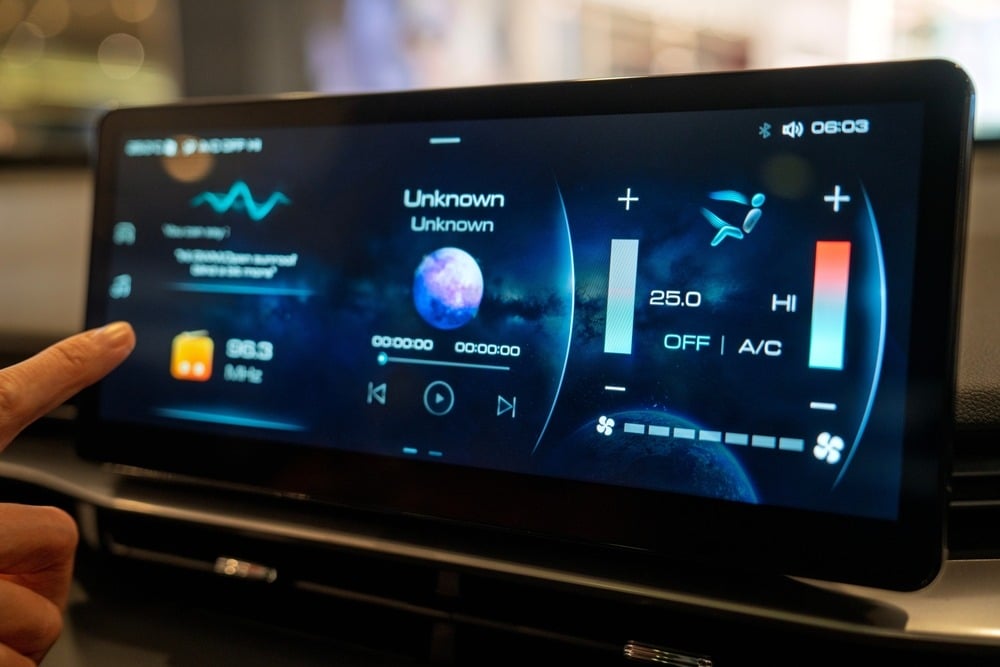
Pull up the hood on a 2024 or newer vehicle and you won’t just find an engine. You’ll find a network of cameras, radar sensors, control modules, and software systems that communicate with one another in real time. The car sitting in your driveway is, in many ways, a computer on wheels—and fixing it requires a different breed of technician than the ones who trained when carburetors were still standard.
This shift has reshaped everything about auto repair: the tools technicians use, the certifications they need, and the knowledge they must constantly update. For vehicle owners, it has made choosing the right repair shop more important than ever. A shop without trained, up-to-date technicians isn’t just slower—it can be genuinely unsafe.
How Has Modern Vehicle Technology Changed Auto Repair in 2026?
Vehicles manufactured in the last several years bear little resemblance to those from even a decade ago. Features once reserved for luxury brands—lane-keeping assistance, automatic emergency braking, blind-spot monitoring, adaptive cruise control—are now standard across most new vehicle lines. These systems fall under the umbrella of Advanced Driver Assistance Systems, or ADAS.
ADAS components rely on a precise arrangement of cameras, radar, lidar, and ultrasonic sensors, all of which must be correctly calibrated after virtually any repair involving the windshield, bumpers, suspension, or wheel alignment. According to Protech Automotive Solutions, by Q4 2025, up to 65% of all collision repairs required some form of ADAS calibration. That number is only growing.
Add to this the rapid rise of electric and hybrid vehicles, over-the-air software updates, and vehicle-specific diagnostic protocols from dozens of different manufacturers, and the job of an auto technician has fundamentally changed. A wrench and a code reader are no longer enough. Today’s technician needs to understand electrical systems, software diagnostics, OEM-specific scan tools, and ADAS recalibration procedures—often simultaneously.
What Is ADAS and Why Does It Require Specialized Technician Training?
ADAS calibration is one of the most technically demanding tasks in modern auto repair. When a windshield is replaced, a fender is repaired, or a wheel alignment is adjusted, the sensors embedded throughout a vehicle can shift out of alignment. Even a minor miscalibration can cause a lane-departure warning to misfire—or worse, fail to trigger when it should.
Restoring these systems to factory specifications requires OEM-level diagnostic equipment, access to manufacturer-specific procedures, and hands-on training with the actual vehicle platforms. That training isn’t a one-time event; manufacturers regularly update calibration standards as they roll out new model years and software revisions.
According to industry data from Protech Automotive Solutions, initial ADAS technician training costs between $3,000 and $10,000 per technician, with ongoing education required as systems evolve. Qualified ADAS technicians typically command wages 30% or more above the standard rate—a reflection of both the skill required and the market demand for their expertise.
At Ken’s Automotive and Transmission, investment in advanced technician training is not optional—it’s a core part of how we operate. Our team stays current with evolving ADAS calibration requirements, OEM diagnostic protocols, and the latest in vehicle software systems so that every repair meets the standards your vehicle was engineered to.
Why Is There a Shortage of Qualified Auto Technicians in 2026?
The skills gap in automotive repair is well-documented and significant. According to the National Automobile Dealers Association (NADA), approximately 39,000 new service technicians graduate from U.S. career and technical programs each year. The industry, however, needs to replace close to 76,000 technicians annually to account for retirements and new job demand—leaving an estimated shortfall of 37,000 trained techs every year.
Retention compounds the recruitment challenge. According to ASE Education Foundation Vice President George Arrants, more than 40% of new technicians leave the industry within their first two years. ASE President Dave Johnson stated in September 2025 that as many as 70% of young techs ultimately exit the profession altogether.
The 2026 Voice of the Technician survey, conducted by WrenchWay and ASE across 5,500 technicians, reinforced the scale of the problem: 77% of automotive technicians identified higher pay as the industry’s most pressing issue, while 79% reported that they did not believe the industry was improving.
This matters for consumers. A shortage of qualified technicians means longer wait times, higher service costs, and—at shops that cut corners on training—an elevated risk of work that doesn’t meet OEM safety standards.
What Should You Look for in a Modern Auto Repair Shop?
Not all repair shops are equally equipped to service today’s vehicles. When evaluating where to take your car, a few key factors separate genuinely capable shops from those still working with yesterday’s tools and knowledge.
Technician certifications. Look for ASE-certified technicians with advanced credentials in areas like electrical systems and advanced driver assistance systems. Certification programs from I-CAR, which launched a dedicated 2026 strategy for training, talent pipelines, and technology integration, are another strong indicator of a shop committed to staying current.
OEM-grade diagnostic equipment. Modern ADAS calibration requires manufacturer-specific scan tools and calibration targets. A shop operating with generic aftermarket equipment may not be able to restore your vehicle’s safety systems to factory specification.
Ongoing training culture. Given how quickly vehicle technology evolves, a shop’s commitment to continuous education matters as much as its current credentials. Ask whether technicians receive paid training and whether the shop invests in updated tooling.
Transparency. A trustworthy shop will explain what systems were affected by a repair, what calibrations were performed, and why. Vague answers about ADAS-related work following a collision or suspension repair should be a concern.
Ken’s Automotive and Transmission was built on these principles. Our team approaches every service with the tools, training, and attention to detail that modern vehicles demand.
Your Vehicle Is Smarter—Your Repair Shop Should Be, Too
The complexity of modern vehicles is only going to increase. More ADAS features, more software-defined components, more electrification. That trajectory makes technician training and shop investment not just a competitive advantage, but a safety imperative.
At Ken’s Automotive and Transmission, we take that responsibility seriously. Our technicians are trained to service the vehicles that are actually on the road today—equipped with the skills to diagnose, repair, and recalibrate systems that protect you and everyone around you. When you bring your vehicle to us, you’re not just getting a repair. You’re getting the expertise that modern automotive technology requires.
Ready to schedule your next service? Contact Ken’s Automotive and Transmission today and experience the difference that properly trained technicians make.