
A check engine light signals that your vehicle’s onboard diagnostic system has detected a problem, ranging from a loose gas cap to a failing catalytic converter or transmission issue. Frederick drivers should have the code read promptly rather than guessing, since the same light can mean a $20 fix or a $2,000 repair. Ken’s Automotive & Transmissions recommends a professional diagnostic scan at the first sign of the light, especially if it flashes or is paired with unusual noises, smells, or shifting problems.
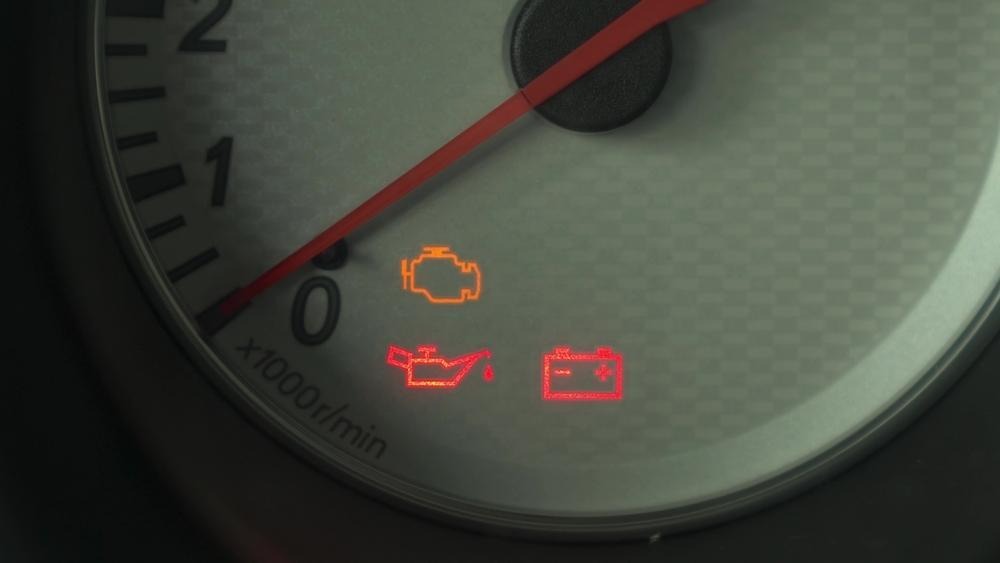
That small amber light on your dashboard has a way of ruining an otherwise normal commute. For many Frederick drivers, the instinct is to hope it goes away, or to keep driving until the car “tells you” something is seriously wrong. Unfortunately, a check engine light doesn’t work that way. It’s your vehicle’s early warning system, and how you respond in the first few days can be the difference between a routine repair and a much larger bill down the road.
At Ken’s Automotive & Transmissions, we’ve been diagnosing check engine lights in Frederick, MD since 1968. In that time, we’ve seen nearly every code a vehicle can throw, and we know that the light itself doesn’t tell the whole story. What matters is what’s causing it, and what happens if it’s left unaddressed.
What Does a Check Engine Light Actually Mean?
Your vehicle’s onboard diagnostic system, commonly known as OBD-II, continuously monitors the engine, transmission, emissions, and related components. When a sensor detects a reading outside its expected range, it triggers the check engine light and stores a diagnostic trouble code (DTC) in the vehicle’s computer.
That code is a starting point, not a diagnosis. A single code can point to several possible causes, which is why a proper diagnostic scan performed by an ASE-certified technician matters more than a quick read at a parts store counter. Ken’s Automotive & Transmissions’ vehicle diagnostics service goes beyond pulling a code. Our technicians interpret it against your vehicle’s actual performance to identify the real underlying issue.
Steady Light vs. Flashing Light: Why the Difference Matters
Not all check engine lights carry the same urgency.
A steady check engine light typically indicates a problem that should be addressed soon, but doesn’t require you to pull over immediately. You can usually continue driving to a repair shop, though prolonged driving with an unresolved issue can allow a minor problem to become a major one.
A flashing check engine light is a different situation entirely. This usually signals a misfire that is dumping unburned fuel into the exhaust system, which can quickly overheat and damage the catalytic converter. If your check engine light is flashing, reduce your speed, avoid heavy acceleration, and get the vehicle to a shop as soon as possible.
Six Common Causes of a Check Engine Light
While dozens of issues can trigger the light, a handful of causes account for the majority of cases we see at our Frederick shop.
1. A Loose or Faulty Gas Cap
It sounds too simple to be true, but a loose, cracked, or missing gas cap is one of the most frequent causes of a check engine light. A compromised gas cap allows fuel vapors to escape, throwing off the evaporative emissions system. Before assuming the worst, check that your gas cap is tightened properly. If the light doesn’t clear after a few drive cycles, the issue likely runs deeper.
2. Oxygen Sensor Failure
The oxygen sensor measures how much unburned oxygen is in your exhaust, helping the engine’s computer maintain the correct fuel-to-air ratio. A failing oxygen sensor can reduce fuel efficiency by a significant margin and, if left unaddressed, can damage the catalytic converter over time.
3. Worn Spark Plugs
Spark plugs ignite the fuel-air mixture in your engine’s cylinders. As they wear down, they can cause misfires, rough idling, and reduced power. Worn spark plugs are also one of the more affordable fixes on this list, which makes early diagnosis especially worthwhile.
4. Catalytic Converter Failure
The catalytic converter reduces harmful emissions before they exit your exhaust system. It’s also one of the more expensive components to replace, and it often fails as a secondary result of another ignored issue, such as a bad oxygen sensor or persistent misfire. Catching the root cause early can help you avoid catalytic converter damage altogether.
5. Mass Airflow Sensor Failure
The mass airflow sensor measures the amount of air entering the engine, which the computer uses to calculate the correct fuel delivery. A dirty or failing sensor can cause poor acceleration, rough idling, or stalling. In many cases, this component can be cleaned rather than replaced, but only a proper diagnostic will confirm that.
6. Transmission-Related Codes
Not every check engine light is engine-related. Modern vehicles often route transmission issues through the same warning light, particularly with electronically controlled transmissions. Shifting delays, slipping gears, or unusual noises paired with the check engine light can point toward a transmission problem rather than an engine one. As specialists in transmission repair with decades of hands-on experience, our technicians know how to distinguish a transmission code from an engine code, and how to trace it back to its actual source.
Why Guessing Gets Expensive
It’s tempting to search a code online and attempt a fix based on a forum post. The problem is that a single code, like a P0420 for catalytic converter efficiency, can stem from several different root causes: a failing sensor, an exhaust leak, or the converter itself. Replacing the wrong part not only wastes money but delays the real repair while the underlying issue continues causing damage.
This is where a shop’s depth of experience matters. Ken’s Automotive & Transmissions is both ASE-certified and ATI-certified, placing our technicians in the top 2% of shops nationwide. That level of training allows us to move past the code and diagnose the actual cause the first time, whether it involves the engine, fuel system, electrical system, or transmission.
When to Bring Your Vehicle in for a Diagnostic
You should schedule a diagnostic if:
- The check engine light is flashing
- The light appears alongside rough idling, stalling, or reduced power
- You notice unusual smells, such as burning or fuel odors
- Your transmission is shifting hard, slipping, or hesitating
- The light has been on for more than a few days with no clear explanation
Waiting rarely saves money. A code that starts as a $150 sensor replacement can escalate into a $1,500 catalytic converter or transmission repair if the root cause continues unaddressed.
Trust the Diagnosis, Not the Guesswork
A check engine light isn’t something to fear, but it also isn’t something to ignore. It’s your vehicle communicating that something needs attention, and the sooner that message is properly interpreted, the less it typically costs to resolve.
Since 1968, Frederick drivers have brought their check engine light concerns to Ken’s Automotive & Transmissions because they want an answer they can trust, not just a guess. Backed by our 36-month/50,000-mile warranty on most general repairs and a nationwide ATRA warranty on transmission services, you can count on a diagnosis that’s accurate the first time.
If your check engine light is on, don’t wait for it to get worse. Call Ken’s Automotive & Transmissions at (301) 662-5100 or stop by 371 W. Patrick St., Frederick, MD 21701 to schedule a diagnostic today.