A transmission fluid change replaces only the fluid that drains naturally from the pan, leaving some old fluid behind, while a transmission flush uses specialized equipment to cycle fluid through the entire system, removing nearly all of the old fluid. Most vehicles benefit from a standard fluid change at regular intervals, but high-mileage vehicles or those with neglected maintenance history may need a flush to clear out accumulated debris. A qualified technician should assess your transmission’s condition before recommending either service.
Transmission trouble rarely announces itself with a single, obvious symptom. Instead, it creeps in — a slight hesitation when shifting, a shudder at highway speed, or fluid that’s turned dark and gritty instead of clear and red. By the time a dashboard warning light appears, the damage may already be underway. That’s why understanding routine transmission maintenance matters, particularly the difference between a fluid change and a fluid flush, two services that are often used interchangeably but are not the same thing.
For Frederick, MD drivers navigating everything from I-270 traffic to the hills of Western Maryland, your transmission works harder than you might realize. Knowing which service your vehicle needs — and when — can mean the difference between a quick maintenance appointment and a far more expensive transmission repair down the road.
What Is a Transmission Fluid Change?
A transmission fluid change is the more conservative of the two services. A technician drains the fluid from the transmission pan, replaces the filter if applicable, and refills the system with fresh fluid. Because fluid remains in the torque converter and other internal components during this process, a standard fluid change typically removes only 40% to 50% of the old fluid.
This method is gentler on the system and is generally the recommended approach for vehicles that have been maintained on schedule. It reduces the risk of dislodging built-up debris that could otherwise clog narrow fluid passages, something that becomes more of a concern in transmissions that haven’t seen fresh fluid in a long time.
What Is a Transmission Flush?
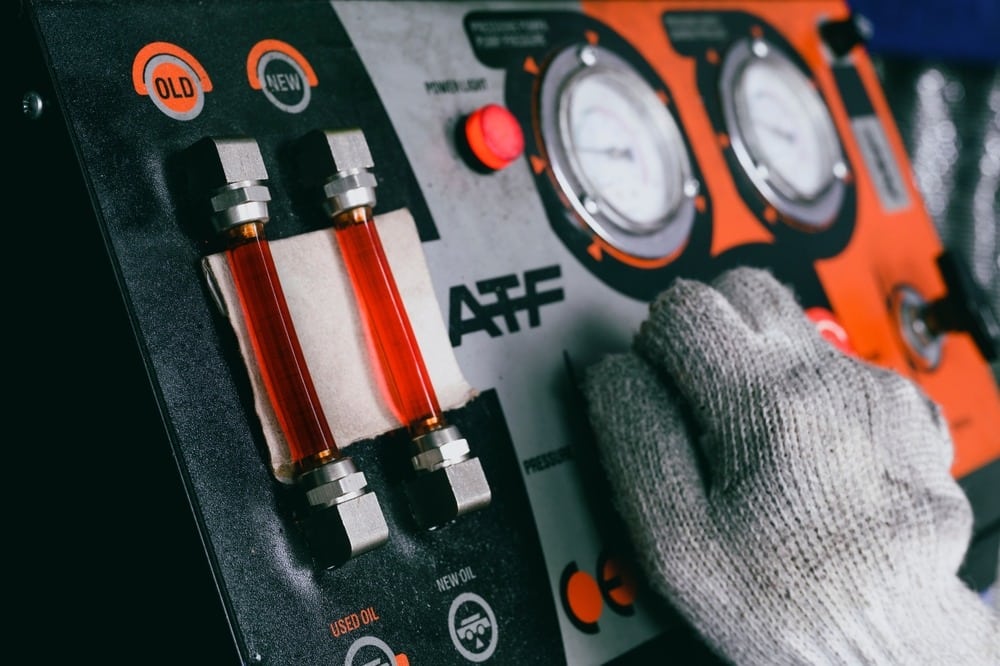
A transmission flush uses a specialized machine to push new fluid through the entire transmission system, including the torque converter and cooler lines, while simultaneously forcing out the old fluid. The result is a much more thorough fluid exchange, with the vast majority of degraded fluid removed from the system.
For transmissions in good working condition, a flush can restore fluid quality and performance effectively. However, if a transmission already has significant internal wear or sludge buildup, the high-pressure flushing process can occasionally dislodge debris that then circulates through the system and causes new problems. This is why a professional evaluation matters before committing to a flush, rather than assuming it’s automatically the more thorough — and therefore better — option.
Which Service Does Your Car Actually Need?
There’s no universal answer, and that’s precisely where many drivers run into trouble by following generic advice instead of looking at their specific vehicle. A few factors should guide the decision:
Choose a fluid change if your vehicle has been on a consistent maintenance schedule, the fluid still looks relatively clean, and your owner’s manual recommends routine fluid service at your current mileage.
Choose a flush if your transmission is otherwise healthy but the fluid hasn’t been changed in a long time, or if you’ve recently purchased a used vehicle with an unclear maintenance history and want a more complete fluid refresh.
Hold off on either and seek a diagnostic if you’re noticing slipping gears, delayed engagement, unusual noises, or burnt-smelling fluid. These symptoms often point to mechanical wear that fluid service alone won’t resolve, and an experienced technician should inspect the transmission before any fluid work is performed.
Vehicle manufacturers also build their own guidance into the owner’s manual, and following those intervals is one of the simplest ways to avoid unnecessary wear. For a closer look at how fluid service fits into your vehicle’s broader maintenance needs, see our guide to fluid changes.
Why Fluid Condition Matters More Than Most Drivers Realize
Transmission fluid does more than lubricate moving parts. It also regulates temperature, enables hydraulic pressure for smooth gear shifts, and helps protect internal seals and components from premature wear. As fluid ages, it gradually loses its ability to perform these functions, and contaminants can accelerate wear on components that are expensive to repair or replace.
This is one of the reasons routine maintenance consistently pays off over the life of a vehicle. Addressing fluid condition before it becomes a performance issue is far less costly than addressing a transmission that’s already slipping or failing to shift properly. If you’re curious how fluid service fits into a bigger-picture maintenance strategy, our recent post on how regular maintenance can expand your vehicle’s lifespan covers the broader value of staying ahead of wear and tear.
Trust a Local Expert With the Decision
Because the right choice depends on your transmission’s specific condition, mileage, and maintenance history, this isn’t a decision that should be made from a quick online search alone. A technician who can inspect your fluid, review your vehicle’s service history, and test for early signs of wear is far better positioned to recommend the right path forward.
Ken’s Automotive & Transmission has served Frederick, MD drivers since 1968, and our ASE-certified and ATI-certified technicians — ranked in the top 2% of transmission specialists nationwide — know exactly what to look for before recommending a fluid change or flush. Every general repair we perform is backed by a 36-month/50,000-mile warranty, and our transmission services carry a nationwide ATRA warranty for most vehicles, so you can move forward with confidence either way.
Schedule Your Transmission Fluid Service Today
Don’t wait for a warning light to tell you something your fluid could have told you months ago. Visit our transmission fluid flush page to learn more about our process, or book an appointment with Ken’s Automotive & Transmission today. Our team will inspect your transmission, explain exactly what your vehicle needs, and get you back on the road with confidence.