
At 100,000 miles, drivers should prioritize transmission fluid service, timing belt and serpentine belt inspection, brake system checks, coolant and other fluid flushes, and a full suspension and steering evaluation. Ken’s Automotive & Transmission in Frederick, MD recommends a comprehensive inspection at this mileage to catch wear before it becomes a breakdown.
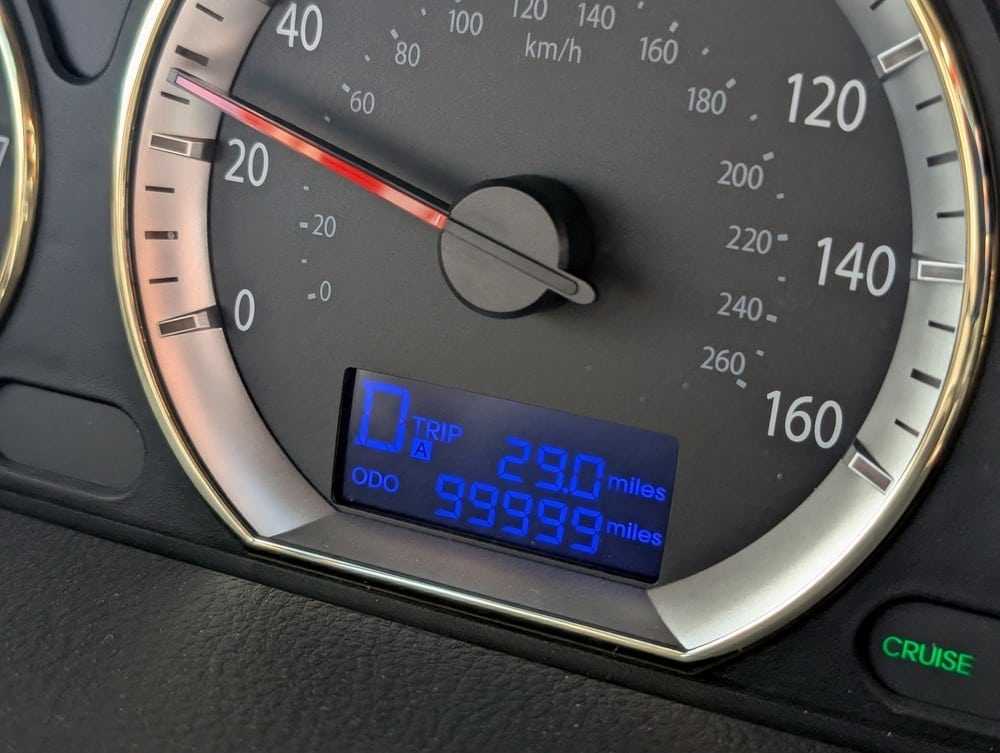
Hitting 100,000 miles on your odometer used to mean your car was nearing the end of its life. That’s no longer true. Today’s vehicles are engineered to run well past that number, but only if they get the right attention at the right time. The 100,000-mile mark is less of a finish line and more of a checkpoint—a signal that several components are approaching the end of their expected service life and deserve a closer look.
For Frederick, MD drivers navigating a mix of highway commutes on I-70 and I-270, stop-and-go traffic downtown, and the seasonal swings of Maryland weather, that wear adds up a little differently than it might for someone driving the same mileage somewhere flatter and milder. Hills, humidity, and winter road salt all put extra demand on belts, fluids, and suspension components over time.
Why Does 100,000 Miles Matter So Much for Vehicle Maintenance?
Manufacturers design many major components—timing belts, transmission fluid, spark plugs, and certain hoses—around mileage intervals that often land somewhere between 60,000 and 100,000 miles. By the time you hit six figures, several of these parts are at or past their intended lifespan simultaneously. That overlap is what makes this mileage mark significant: it’s not one repair you need, it’s a cluster of inspections that should happen together.
Skipping this checkpoint doesn’t mean nothing happens. It means problems surface later, usually without warning, and often cost more to fix than they would have if caught early. A $150 belt replacement is a routine maintenance item. The same belt failing on I-270 during rush hour can mean a tow, a rental car, and a much larger repair bill.
What Transmission Service Does a Car Need at 100,000 Miles?
Transmission fluid breaks down over time, losing its ability to lubricate and cool the transmission’s internal components properly. By 100,000 miles, most vehicles are well overdue for a transmission fluid flush, even if the manufacturer’s interval suggested otherwise under ideal conditions.
Choose a full flush over a basic fluid change if your transmission fluid looks dark, smells burnt, or if the vehicle has never had a transmission service before. A flush clears out old fluid more completely than a drain-and-fill, which matters most for vehicles that have gone a long time without attention. If you’re unsure which service your car needs, this comparison on transmission flush versus fluid change breaks down the difference in plain terms.
Ignoring transmission fluid service at this mileage is one of the costliest mistakes a driver can make. Transmission rebuilds and replacements run into the thousands of dollars, while fluid service is a fraction of that cost and can meaningfully extend the life of the unit.
Should You Replace the Timing Belt and Serpentine Belt at 100,000 Miles?
If your vehicle uses a timing belt rather than a timing chain, 100,000 miles is a common replacement interval specified by many manufacturers. A timing belt that fails while driving can cause serious engine damage on interference engines, turning a preventive repair into a full engine rebuild.
The serpentine belt, which drives your alternator, power steering pump, and air conditioning compressor, also wears out around this mileage. Cracking, fraying, or glazing on the belt’s surface are signs it needs attention. A technician inspecting your belts and hoses can tell you exactly where each component stands and whether replacement is due now or can wait.
Choose proactive belt replacement if you plan to keep the vehicle long-term or drive it frequently on highways, where belt failure poses the greatest risk. Drivers planning to sell or trade in soon may weigh this differently, but for anyone keeping their car past 100,000 miles, this isn’t an area to defer.
What Fluids Should Be Checked and Changed at 100,000 Miles?
Beyond transmission fluid, several other fluids deserve attention at this mileage:
Coolant breaks down and loses its corrosion-fighting properties over time, which can lead to overheating or radiator damage, particularly during Maryland’s hot, humid summers.
Brake fluid absorbs moisture over years of use, which lowers its boiling point and can affect braking performance under hard stops.
Power steering fluid degrades and can contribute to steering pump wear if left unchanged too long.
Differential and transfer case fluid, for all-wheel-drive and four-wheel-drive vehicles, is often overlooked but just as important as engine oil.
A comprehensive fluid change service addresses all of these in one visit, which is typically more efficient and cost-effective than addressing each fluid separately as problems arise. Regular oil changes remain the foundation of this maintenance, and at 100,000 miles, it’s worth confirming your oil change interval still matches your driving conditions, especially if you do a lot of stop-and-go driving around Frederick.
Why Does the Brake System Need Extra Attention at This Mileage?
Brake pads, rotors, and related hardware wear gradually, which makes it easy to miss gradual performance decline until it becomes a safety issue. By 100,000 miles, many vehicles are on their second or third set of brake pads, and rotors may be due for resurfacing or replacement.
A full brake service inspection checks pad thickness, rotor condition, brake lines, and the parking brake system. Choose a complete brake inspection now if you’ve noticed squealing, grinding, a soft pedal, or vibration when braking. Even without obvious symptoms, a professional inspection at this mileage catches wear that isn’t yet noticeable from the driver’s seat but will be soon.
What Should You Check in the Suspension and Steering System?
Shocks, struts, bushings, and steering components absorb constant stress from Maryland’s roads, including potholes that tend to worsen after winter freeze-thaw cycles. By 100,000 miles, many of these parts have reached or exceeded their useful life, even if the ride still feels reasonably smooth.
Worn suspension and steering components don’t just affect comfort. They directly impact handling, braking distance, and tire wear. A steering and suspension inspection at this mileage can identify play in the steering, worn ball joints, or failing struts before they lead to uneven tire wear or a harder-to-control vehicle.
This is also a good time to check your tire service needs and confirm your alignment is within spec, since misalignment accelerates tire wear and can indicate an underlying suspension issue.
What About the Engine and Other Major Systems?
A full inspection at 100,000 miles should also include a look at engine performance overall. Spark plugs, filters, and engine mounts are all common wear items at this stage. If your vehicle has been running rough, losing power, or using more oil than it used to, a broader engine repair evaluation can determine whether you’re looking at routine maintenance or something that needs more immediate attention.
Choose a comprehensive inspection over a piecemeal approach if you haven’t had your vehicle fully evaluated recently. Addressing each system individually as symptoms appear tends to cost more over time than catching several issues in one thorough visit.
Keep Your Car Running Strong Past 100,000 Miles
Crossing 100,000 miles doesn’t mean your vehicle is on borrowed time. With the right inspections and services now, many cars run reliably well past 150,000 or even 200,000 miles. The key is treating this mileage mark as a planning opportunity rather than waiting for something to fail.
Ken’s Automotive & Transmission has served Frederick, MD drivers since 1968, with ASE-certified and ATI-certified technicians who rank in the top 2% of shops nationwide. Every general repair is backed by a 36-month/50,000-mile warranty, and transmission services come with a nationwide ATRA warranty for added peace of mind.
If your vehicle is approaching or past 100,000 miles, schedule a comprehensive inspection with Ken’s Automotive & Transmission today. A thorough checkup now can save you from a costly breakdown later and keep your car running well for years to come.